
Guide
How to ride an electric scooter safely
Start in an empty parking lot, learn the brakes before the throttle, and keep both hands on the bars at speed. Most injuries come from potholes, curbs and sudden braking, not top speed, so scan the road ahead and slow down early rather than braking hard at the last second. Wear a helmet every ride, no exceptions.
Step by step
- Pick a safe first-ride spot. Use an empty parking lot or quiet path for your first sessions, not a street or crowded sidewalk. Give yourself room to wobble without traffic or pedestrians nearby.
- Learn the brakes before the throttle. Squeeze the brake lever gently at walking pace before you ever engage the throttle. Know exactly how much lever pressure it takes to stop before you need to do it in a hurry.
- Start in the lowest speed mode. Most scooters have selectable speed modes (eco, normal, sport). Stay in the lowest mode for at least your first several rides until braking and steering feel automatic.
- Practice a controlled stop. Ride at a slow, steady speed and practice stopping at a specific mark on the pavement. Repeat until you can consistently stop within a predictable distance, not just eventually.
- Add turns and small obstacles. Once stopping feels natural, practice gentle turns and rolling over small bumps at low speed, keeping your weight centered and knees slightly bent to absorb impact.
- Move to a real route at low speed. Ride your actual commute or campus route once during daylight, in a lower speed mode, before you ride it at full speed or in a hurry. Note where the potholes, curb cuts and blind corners are.
- Increase speed mode gradually. Only move up to a faster speed mode once the lower one feels boring rather than challenging. Rushing this step is where most new-rider falls happen.
Braking distance is longer than it feels
At 15 mph a scooter covers roughly 22 feet per second before you even start braking, and stopping distance on most electric scooters is longer than on a bicycle with the same brakes, because scooter wheels are smaller and traction is lower. Start braking earlier than instinct suggests, especially the first few weeks, and never wait until you are close to an obstacle to find out how your specific scooter's brakes behave.
Front and rear brakes work together on most models; using only the rear brake at speed can cause a skid, and using only the front brake hard can pitch you forward. Learn how your scooter responds to combined braking at low speed, where a mistake costs you nothing.
Potholes and cracks: the real cause of most falls
Small wheels, especially 8.5 inch solid tires, do not absorb pavement flaws the way a larger wheel or a car tire does. A pothole, expansion joint or storm grate that a car would not notice can stop a scooter's front wheel dead and throw the rider forward. Scan the road 15 to 20 feet ahead, not just directly in front of the wheel, and steer around cracks rather than riding through them at speed. Slow down noticeably on unfamiliar pavement, construction zones and anywhere leaves or debris might be hiding a crack.
Riding in rain and wet conditions
Wet pavement cuts tire grip and extends braking distance substantially, more on solid tires than pneumatic ones. If you must ride in light rain, slow down well below your normal speed, brake earlier, and avoid painted road markings and metal grates, which get slippery when wet. Never charge a scooter that is still wet from riding; let it dry fully first, and check the manufacturer's water resistance rating before riding in anything more than light rain.
A quick-reference table for common hazards
| Hazard | What to do |
|---|---|
| Pothole or crack | scan 15 to 20 feet ahead, steer around it rather than through it |
| Wet pavement | slow well below normal speed, brake earlier, avoid painted lines and grates |
| Low light | run front and rear lights, wear reflective gear |
| Crowded sidewalk or path | drop to walking pace or dismount rather than weaving |
| Sudden need to stop | squeeze front and rear brakes together, avoid a rear-only skid |
Body position and hand placement
Keep both hands on the handlebar grips at all times while moving, knees slightly bent, and weight centered over the deck rather than leaning far forward or back. Look ahead at where you are going, not down at your feet. Riding one-handed to hold a phone or bag is a common cause of avoidable falls; carry gear in a bag on the scooter instead.
A helmet and lights, every single ride
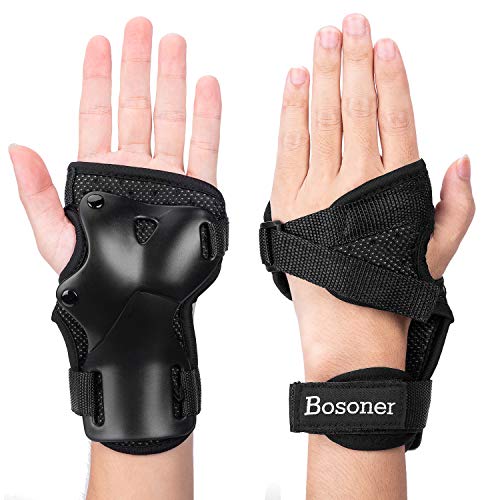
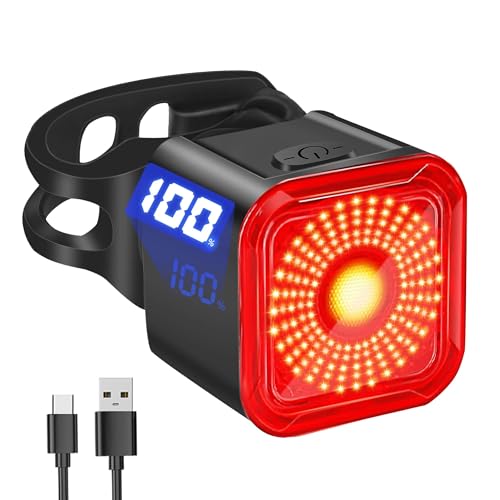
Wear a certified helmet like the CPSC certified commuter helmet ($31.99) every time you ride, including short trips; most falls happen at low speed close to home, not on a long ride. Add wrist guards such as BOSONER wrist guards ($12.59) if you are new to riding, since a reflex hand-out is one of the most common ways riders get hurt in a fall. Run a rear light like the DARKBEAM tail light ($10.99) any time visibility is reduced, dawn, dusk or overcast.
Lock it properly when you stop
Part of riding safely is not creating a hazard when you park. Fold the scooter and lock the frame to a fixed rack with something like the Kryptonite Parkview folding lock ($27.06) rather than leaning it against a wall where it can fall into a walkway or trip a pedestrian.
Riding with other people and around traffic
Ride single file on shared paths and leave real following distance behind another rider, since your stopping distance on a scooter is longer than most people expect. At intersections, make eye contact with drivers before crossing in front of them rather than assuming you have been seen; scooters are smaller and less expected than a bike or a car, and some drivers genuinely do not register them at a glance. Signal turns with a hand when you can do so safely, and never assume a driver will yield just because you have the right of way on paper.
Building good habits over your first month
Safe scootering is less a single skill and more a set of habits that compound: checking the latch, scanning the road ahead, braking early, and wearing gear every time. New riders who skip these in the first few weeks because "it feels unnecessary for a short ride" are the ones who tend to have an avoidable fall. Treat the first month as training, even after the scooter itself stops feeling new, and the habits will carry you through years of riding without a serious incident.
What to have on before you ride

Prices change often; the button shows today's price on Amazon.
More guides
- Are electric scooters good for commuting?
- Electric scooter battery and charging safety
- Do you need a helmet on an electric scooter?
- Electric scooter laws, explained in patterns
- Electric scooter tires and maintenance
- Electric scooters for college campus
- How fast do electric scooters go?
- Going from a scooter to a skateboard
- Will an electric scooter go up a hill?
Questions riders ask
What is the safest way to learn to ride an electric scooter for the first time?
Practice in an empty parking lot or quiet path, not a street. Learn the brakes at walking pace before you ever use the throttle, stay in the lowest speed mode for your first several rides, and only move to a real route once stopping and turning feel automatic rather than something you have to think about.
What causes most electric scooter falls?
Potholes, cracks and curbs, not top speed. Small scooter wheels, especially solid 8.5 inch tires, do not absorb pavement flaws the way larger wheels do, so a crack a car would not notice can stop a scooter's front wheel and throw the rider forward. Scanning the road ahead and slowing down on unfamiliar pavement prevents most of these falls.
Is it safe to ride an electric scooter in the rain?
Only cautiously, and only if the scooter has a real water resistance rating. Wet pavement cuts tire grip and extends braking distance, especially on solid tires, and painted lines and metal grates get slippery. Slow down well below normal speed, brake earlier than usual, and let the scooter dry fully before charging it.
Do I really need a helmet for a short ride around the block?
Yes. Most falls happen at low speed, close to home, on short familiar rides, precisely because riders relax and skip the helmet on "just a quick trip." Wearing one every time, regardless of distance, is the single highest-value safety habit for scooter riding.
How do I brake safely without skidding or pitching forward?
Use front and rear brakes together rather than relying on just one. Squeezing only the rear brake hard at speed can cause a rear-wheel skid; squeezing only the front brake hard can pitch you forward over the handlebars. Practice combined, gradual braking at low speed until it becomes automatic before you need it in a hurry.
Wear a helmet every ride, and check your state and city rules on age, speed and where scooters may ride. This page is researched guidance, not professional, legal or medical advice. Specifications come from each product listing and can change; confirm on the listing before you buy.