
Best picks · three tiers
Best pro scooters
The Envy One S3 Complete Scooter at $119.99 is the strongest step-up pick for a rider who has outgrown a beginner scooter: it's a park-ready complete build from a respected freestyle brand at a price well under the true pro-build tier.
Picks by budget: beginner, intermediate and expert
VOKUL Gold Pro Stunt Scooter

$69.99 · 220 lb max
Who it is for: A rider trying freestyle tricks for the first time, moving up from a kick scooter or starting fresh at the skatepark.
The VOKUL Gold Pro Stunt Scooter is built as an entry-level trick scooter with a 220 lb weight limit and a reinforced deck able to take falls and scrapes without cracking, priced at $69.99. It's a reasonable first frame to find out if freestyle riding sticks before spending more.
Skip it if: Riders already comfortable landing basic grinds and airs, who will outgrow entry-level components within a season of real park use.
Check price on Amazon Full specsEnvy Scooters One S3 Complete Scooter

$119.99
Who it is for: Covered above as the top pick: a rider ready to spend real time at the skatepark on a durable, brand-name complete build.
Complete build from an established freestyle brand, priced at $119.99, built to handle regular grinds and drops without the frame flexing or the compression loosening every session.
Skip it if:
Check price on Amazon Full specsRoot Industries Invictus Complete Pro Scooter

$229.95 · 120 mm wheels · 25.6 in bars
Who it is for: Riders progressing to bigger drops, rails and street riding who need components built for repeated hard impacts.
The Root Industries Invictus uses 120 mm Honeycore wheels, chromolite bars at 25.6 in (suited to taller riders), HIC compression and a cut-out deck, priced at $229.95. Every part on it is built to be replaced individually rather than the whole scooter failing at once.
Skip it if: Anyone still learning basic tricks. Crashes are part of learning freestyle, and putting a beginner on pro-grade components means expensive parts taking beginner-level abuse.
Check price on Amazon Full specsAlso worth a look


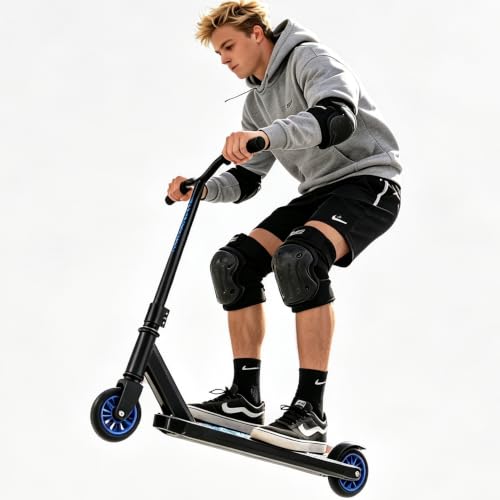
Prices change often; the button shows today's price on Amazon.
How we chose these scooters
Nothing here was ridden or tested in person. Picks come from manufacturer specifications (bar height, wheel size, weight rating and deck material), the reputation of established freestyle brands, and recurring themes in verified owner reviews about how compression systems, bearings and welds hold up to real skatepark impact rather than casual riding.
Bar height: get it close before you buy
Pro scooter total height, measured ground to the top of the bar, should roughly match rider height: under 4 ft wants 28 to 30 in, 4 ft to 4 ft 5 wants 30 to 32 in, 4 ft 5 to 4 ft 11 wants 32 to 34 in, 4 ft 11 to 5 ft 5 wants 34 to 36 in, 5 ft 5 to 5 ft 10 wants 35 to 37 in, and over 5 ft 10 wants 36 to 39 in. Bar-only height (without the deck) runs about 11.5 in less than total height. Bars can be cut down to fit but can never be safely extended, so when between sizes, buy the taller option and cut it, or check the pro scooter size calculator for your exact height first.
Park riders generally prefer a lower bar for tighter tricks and better center of gravity, while street riders often go a touch taller for grinding and gapping. If you're between the two styles, size toward the park range and adjust with spacers rather than starting too tall.
What actually separates the tiers
An entry-level pro scooter and a true pro build both look similar at a glance: two wheels, a deck, a set of bars. The difference is in what's replaceable and how much abuse it takes before failing. Entry scooters use a fused (non-replaceable) compression system and softer wheel cores, fine for learning but not built for years of hard grinding. Pro builds use HIC or SCS compression that lets you swap bars without replacing the whole scooter, and harder wheel cores (like 120 mm Honeycore) that hold up to repeated rail and ledge grinds.
Deck size and wheel size for freestyle riding
Wider decks (around 4.5 to 5 in) give more foot room for landing tricks cleanly, which most riders past the absolute beginner stage prefer. Wheel size in the 100 to 120 mm range is standard for freestyle: smaller wheels are lighter and quicker to flick for tricks, while 120 mm wheels roll faster and smoother for street riding and bigger gaps.
Comparing the picks
| VOKUL Gold Pro | Envy One S3 | Root Industries Invictus | |
|---|---|---|---|
| Level | first trick scooter | serious park scooter | pro build |
| Weight limit | 220 lb | check listing | check listing |
| Wheels | check listing | check listing | 120 mm Honeycore |
| Bars | check listing | check listing | 25.6 in chromolite |
| Compression | check listing | check listing | HIC |
| Price | $69.99 | $119.99 | $229.95 |
A dual-certified helmet for the skatepark
Skatepark riding wants a helmet certified to both CPSC and ASTM F1492, the multi-impact skateboard standard, since park falls often mean smaller repeated impacts rather than one big hit. The Triple Eight Certified Sweatsaver Helmet ($54.99) meets both standards and is a long-standing skatepark brand. Replace any helmet after a real crash, even if the shell looks fine, because the impact-absorbing foam inside can be crushed without visible damage.
The picks, side by side
Including the helmet that suits this rider: no scooter setup is complete without one.


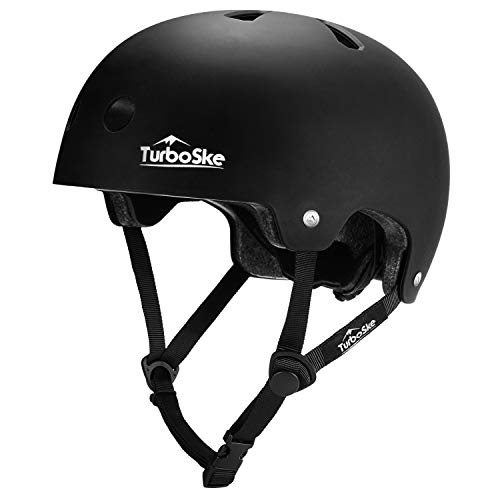
Prices change often; the button shows today's price on Amazon.
More roundups
- Best skate helmets
- Best smart helmets with lights
- Best toddler helmets
- Best electric scooters under $200
- Best cheap electric scooters
- Best electric scooters for college students
Get these picks and prices by email
One page with every item and its current price, so you can budget the whole setup, helmet included, before you buy any of it.
Used only to send the list. You can also just read it on this page.Questions riders ask
What size pro scooter bars do I need?
Match total height (ground to top of bar) to your own height: roughly 30 to 32 in for a rider 4 ft to 4 ft 5, up to 36 to 39 in for a rider over 5 ft 10. Bars can be cut shorter but never safely extended, so if you're between two sizes, buy the taller scooter and trim the bars rather than sizing down.
What is the difference between a pro scooter and a regular kick scooter?
A pro scooter has a reinforced deck, a compression system that keeps the bars and forks tight under impact, and thicker components built to survive grinds, drops and repeated hard landings. A regular kick scooter is built for transportation, with a lighter frame that will bend or crack under freestyle abuse.
Do I need HIC or SCS compression on a pro scooter?
Not for a first scooter. HIC and SCS compression systems let you swap bars and forks individually as parts wear out or you want a different bar height, which matters once you're riding regularly and want to upgrade piece by piece instead of buying a whole new scooter. Entry-level fused compression is fine while you're still learning basic tricks.
What helmet should I wear at the skatepark?
A helmet certified to both CPSC and ASTM F1492, known as dual or triple certified. CPSC alone is built around a single bike-style impact, while ASTM F1492 accounts for the smaller repeated impacts typical of skatepark riding. Standard bike-only helmets are not rated for that use, even though they look similar.
How do I know when to upgrade from an entry-level pro scooter?
Watch the compression system and wheels rather than a calendar. If the bars are loosening faster than a quick tightening fixes, or the wheel cores are visibly worn from grinding, you've outgrown entry-level components and it's time for a serious park scooter or pro build with HIC or SCS compression and harder wheel cores.
Wear a helmet every ride, and check your state and city rules on age, speed and where scooters may ride. This page is researched guidance, not professional, legal or medical advice. Specifications come from each product listing and can change; confirm on the listing before you buy.