
Calculator
Helmet Size Calculator
Measure around the head about 1 in above the eyebrows. Under 51 cm is usually toddler XS, 51 to 55 cm small, 55 to 59 cm medium and 59 to 63 cm large, but go by each helmet's own stated fit range. Kids scooter riding needs CPSC; skatepark riding wants CPSC plus ASTM F1492; 20 mph and faster calls for NTA 8776 or a full-face helmet.
Helmet sizeUpdates as you type
Size S (54.0 cm / 21.3 in)
- Certification for this riding
- CPSC
- Fit check
- Two fingers above the eyebrows, straps in a V under the ears, one finger under the chin strap
- Helmets here whose stated fit covers 54 cm
- 20
Between sizes, choose the smaller one if its range covers you and tune with the dial. Replace any helmet after a crash.
Helmets for every kind of rider
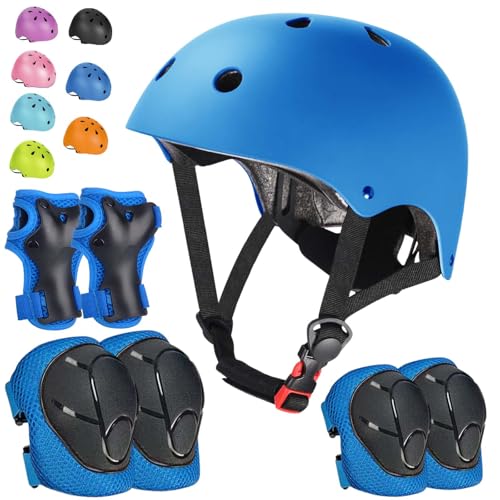


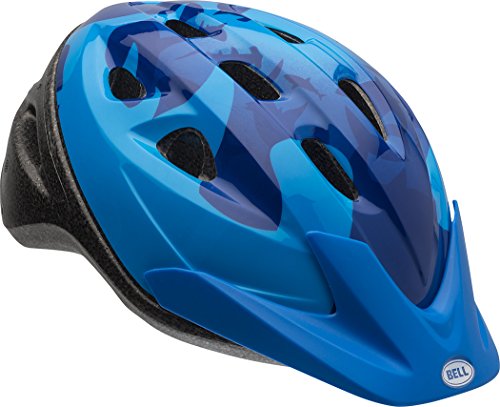
Prices change often; the button shows today's price on Amazon.
This calculator converts a head circumference measurement into a standard helmet size, plus points you toward the right certification for your riding speed. Helmet sizing is about a snug, level fit more than "small, medium, large" guesswork, and getting the certification right matters just as much as the fit. Measure around your head about an inch above the eyebrows and enter that number to get your size.
How to measure and what the sizes mean
Wrap a soft tape measure around your head about 1 inch above your eyebrows, at the widest point, and read the circumference in centimeters. The standard size bands are: XS, 47 to 51 cm; S, 51 to 55 cm; M, 55 to 59 cm; and L, 59 to 63 cm. For reference, typical head circumference by age runs roughly: age 2, 48 cm; age 5, 51 cm; age 8, 52.5 cm; age 12, 54.5 cm; and adult, 55 to 59 cm. A helmet should sit level on the head, snug but not painfully tight, with the strap allowing about two fingers of space under the chin.
A worked example, plus matching certification to speed
A measurement of 54 cm falls in the S band (51 to 55 cm), close to the typical 12 year old's head size. If that rider's scooter tops out under 15 mph, a standard CPSC certified bike helmet in that size range is appropriate. If the same rider also skates at a skatepark, a dual certified helmet (CPSC plus ASTM F1492) is the better match, since it is rated for the repeated impacts of skatepark riding, not just a single road impact. Riders on faster scooters, 20 mph and up, should look at NTA 8776 rated or full-face helmets instead, and 28 mph and up is where many riders choose a DOT rated motorcycle helmet.
What this calculator can't check for you
Size bands vary slightly between brands, so always check a specific helmet's own fit chart against your measurement rather than assuming every "M" is identical. This tool also can't verify fit once the helmet arrives; adjust the internal fit dial and straps and do a head-shake test (the helmet should not slide) before riding. And no calculator can restore a helmet that has already been in a crash; replace any helmet after an impact regardless of visible damage.
More calculators
Rider matchEnter the rider: age, height, weight, commute, hills and budget. Get the scooter class they need, the battery,...Range estimatorEstimate real electric scooter range from battery Wh, rider weight, speed, hills, temperature and tire type, u...Weight headroomAdd rider, backpack and cargo, compare against the scooter max load, and see the headroom, the range you lose,...Hill climbMotor watts against grade and rider weight: the speed an electric scooter holds up a hill on rated and peak po...Charging and costHow long an electric scooter takes to charge and what it costs: charger watts, battery Wh and your electricity...Commute savingsCompare a scooter commute with driving or transit: fuel, parking, fares, electricity and wear per year, and ho...Kids scooter sizeEnter a child age and height to get the right scooter type (3-wheel, 2-wheel kick, pro or electric), the handl...Pro scooter sizeRider height and riding style in, pro scooter total height and bar height out, with the bar-height chart rider...
Questions riders ask
How exactly should I measure my head for a helmet?
Wrap a flexible tape measure around your head about 1 inch above your eyebrows, at the widest point (typically just above the ears), and read the circumference in centimeters. Measure a couple of times to get a consistent number, and measure the actual rider, not a guess based on age, since head size varies meaningfully between individuals of the same age.
What is the difference between CPSC, ASTM F1492 and NTA 8776?
CPSC (16 CFR 1203) is the required US standard for bike helmets and covers a single road-speed impact. ASTM F1492 is the skateboard multi-impact standard, meant for the repeated smaller impacts typical of skatepark riding; a "dual certified" helmet meets both. NTA 8776 is a Dutch speed-pedelec standard built for higher speeds up to about 28 mph, relevant for faster electric scooters.
Do I need a different helmet for a faster electric scooter?
Yes, certification should scale with speed. Under 15 mph, a standard CPSC certified helmet is appropriate. At 20 mph and up, look for NTA 8776 rated or full-face protection. At 28 mph and up, many riders choose a DOT (FMVSS 218) rated motorcycle helmet instead of a bicycle helmet, since impact energy rises quickly with speed.
What does MIPS mean and do I need it?
MIPS is a rotational-impact liner system, a thin layer inside the helmet designed to reduce rotational forces on the brain during an angled impact, which is common in real falls. It is not a certification standard on its own but an added feature layered on top of a certified helmet. It is worth looking for at any speed tier, though a properly certified helmet without MIPS is still a legitimate, safe choice.
Wear a helmet every ride, and check your state and city rules on age, speed and where scooters may ride. This page is researched guidance, not professional, legal or medical advice. Specifications come from each product listing and can change; confirm on the listing before you buy.