
Head to head
Three-wheel vs two-wheel kids scooters
Three-wheel scooters, like the Micro Kickboard Mini at $99.99, use a lean-to-steer design that keeps a young child from tipping sideways and suit ages roughly 2 to 5. Two-wheel scooters, like the Razor A5 LUX at $119.97, need real balance and steering but turn faster, and suit most kids from about age 5 or 6 up.
| Three-wheel scooters | Two-wheel scooters | |
|---|---|---|
| Typical age range | 2 to 5 | 5 and up |
| Steering method | Lean-to-steer, tilts the deck to turn | Handlebar turns the front wheel directly |
| Can it tip sideways? | No, the third wheel prevents a sideways tip | Yes, requires real balance to stay upright |
| Turning speed | Slower, gentler arcs | Faster, sharper turns |
| Typical price | $27 to $130 | $32 to $180 |
| Folding for storage | Some fold, check the listing | Most fold flat |
| Where it is ridden | Driveways, sidewalks, indoor floors | Sidewalks, parks, longer neighborhood rides |
| Growth room | Limited, most kids outgrow it by 6 or 7 | Adjustable handlebars stretch it several years |
Why three wheels first
A three-wheel scooter cannot tip sideways the way a two-wheel one can, because the third wheel is always there to catch the lean. Steering works by tilting the deck rather than turning a handlebar, called lean-to-steer, which is easier for a small child to learn than direct steering. The Micro Kickboard Mini is built exactly around this: a wide, stable stance for a child roughly 2 to 5 years old who is still building basic coordination and does not yet have the balance for two wheels.
Why two wheels eventually win
Once a child can balance on a bike or a balance bike, usually around age 5, a two-wheel scooter like the Razor A5 LUX turns faster and covers more ground with less effort per push. Two-wheel scooters use a handlebar that turns the front wheel directly, the same steering logic as a bicycle, which is why kids who already ride a bike often pick up a two-wheel scooter within minutes.
The switch point, and why holding on too long backfires
Most three-wheel scooters are sized and rated for children up to about 100 to 120 lb and ages 2 to 8, but the useful window for most kids closes earlier, around age 5 or 6, once real balance develops. A child who stays on lean-to-steer well past that point can actually delay learning to balance a bike, since the scooter is doing the balancing work for them. If a child already rides a two-wheel bike confidently, they are usually ready to skip straight to a two-wheel scooter rather than lingering on three wheels.
Fit matters more than wheel count
Whichever type you choose, handlebar height should sit between hip and waist height, roughly 50 to 60 percent of the child's height. Use our kids scooter size calculator to check a specific model against your child's height before buying, since a scooter that is the right wheel count but the wrong height still rides poorly.
A helmet either way
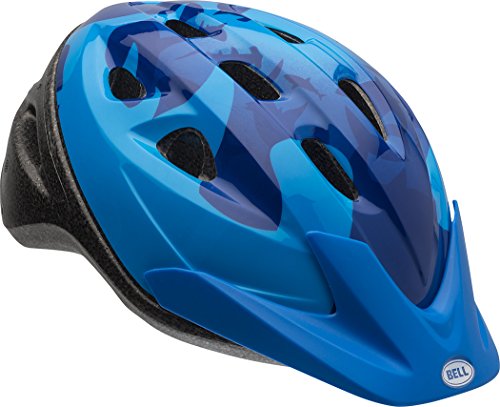
Wear a helmet every ride, on three wheels or two. A young child on a three-wheel scooter still falls sideways off the deck even if the scooter itself cannot tip, and a two-wheel scooter carries the same fall risk as a bike. Check your local rules, since sidewalk and helmet requirements vary by city even for non-electric kids scooters.
The picks from this comparison


Prices change often; the button shows today's price on Amazon.
Other comparisons
- Electric scooter vs electric bike: which one fits your ride
- Hiboy S2 vs S2 Pro
- Hiboy vs Gotrax: the budget commuter matchup
- Kick scooter vs electric scooter for kids
- Pro scooter vs kick scooter
- Segway Ninebot MAX G30P vs MAX G2
- Solid vs pneumatic scooter tires
Questions riders ask
At what age should a kid move from three wheels to two wheels?
Most kids are ready around age 5 or 6, once they can balance confidently on a bike or a balance bike without training wheels. There is no strict rule; some kids are ready earlier if they have strong balance, and some benefit from staying on three wheels a bit longer. Watch for the child asking to go faster or getting frustrated with the slower lean-to-steer turns as the signal to try two wheels.
Can a three-wheel scooter tip over?
A properly weighted three-wheel scooter cannot tip sideways the way a two-wheel one can, since the third wheel is always in contact with the ground to catch the lean. A child can still fall forward or backward off the deck, or tip the whole scooter if they lean far outside its stable range, so a helmet is still worth wearing every ride.
Is a two-wheel scooter harder for a young child to learn?
Yes, it requires genuine balance the way riding a bike does, which is why two-wheel scooters are generally recommended starting around age 5 rather than for toddlers. A child who has not yet developed that balance will fall more often on two wheels and may get discouraged, which is the main reason three-wheel models exist as a stepping stone.
Do three-wheel scooters have a weight limit?
Most three-wheel kids scooters in our catalog list a max rider weight between about 100 and 120 lb, which comfortably covers the typical 2 to 8 age range using CDC growth data (a typical 8-year-old is around 57 lb). Check the specific listing for a stated weight limit before buying for an older or larger child.
Should I buy a two-wheel scooter that adjusts as my child grows?
Yes, most two-wheel kids scooters have adjustable handlebar height specifically so one scooter can last several years of growth rather than needing replacement every year. Check the handlebar height range against our kids scooter size calculator before buying, and re-check the fit every year or two as your child grows.
Wear a helmet every ride, and check your state and city rules on age, speed and where scooters may ride. This page is researched guidance, not professional, legal or medical advice. Specifications come from each product listing and can change; confirm on the listing before you buy.